
What Is Immorpos35.3 Software? (Direct Answer)
Immorpos35.3 is a legacy Point-of-Sale (POS) and inventory management software platform designed to manage retail transactions, stock control, reporting, and user-level permissions in small to mid-sized businesses. It integrates sales processing, barcode management, customer tracking, and financial reporting into a centralized system typically deployed on-premise.
If you’re searching for how to use immorpos35.3 software, you’re likely either inheriting an existing system or trying to stabilize one that’s underperforming. I’ve seen both scenarios more times than I can count.
The Real Frustration Most Teams Face
Here’s the pattern.
The system technically “works,” but:
-
Reports don’t reconcile cleanly.
-
Inventory counts drift from physical stock.
-
Staff only use 40% of available features.
-
Updates get postponed until something breaks.
Sound familiar?
In my experience, immorpos35.3 doesn’t fail because it’s incapable. It fails because it’s under-configured, poorly trained, or never revisited after installation.
Let’s fix that.
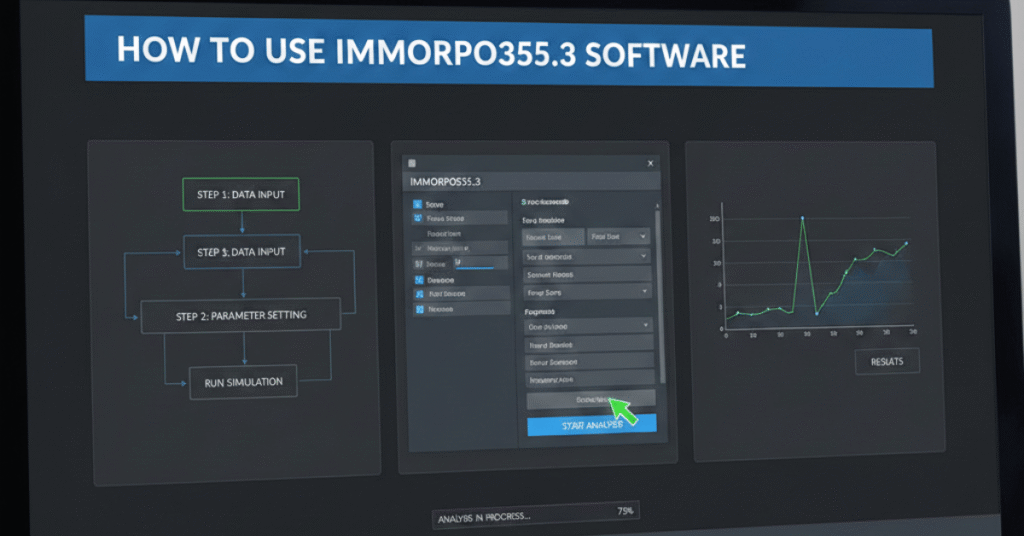
How to Use Immorpos35.3 Software Properly (Operational Walkthrough)
1. Initial System Configuration
Before processing a single sale:
Core Setup Checklist
-
Configure tax rules and regional compliance settings
-
Set up user roles (Cashier, Supervisor, Admin)
-
Import product catalog (SKU, barcode, pricing tiers)
-
Configure payment gateways and receipt templates
-
Set stock thresholds for low-inventory alerts
Commonly overlooked:
Default user permissions are often too broad. Lock down admin-level access early.
2. Daily Operational Workflow
Once configured, daily usage typically follows this structure:
Transaction Processing
-
Scan or enter SKU
-
Verify price tier
-
Apply discounts (if permitted)
-
Select payment method
-
Print or email receipt
The real-world benefit?
Proper SKU mapping prevents margin leakage caused by manual price overrides.
3. Inventory Control Module
This is where most businesses underutilize the software.
Best Practices:
-
Run end-of-day reconciliation reports
-
Schedule weekly physical inventory audits
-
Enable automatic reorder thresholds
-
Review shrinkage reports monthly
Inventory drift usually isn’t a system problem—it’s a discipline problem.
Benefits of Immorpos35.3 Software
When configured correctly, the benefits are practical—not theoretical.
Operational Benefits
-
Centralized reporting
-
Real-time inventory tracking
-
Multi-user access control
-
Sales trend analysis
-
Basic CRM functionality
Strategic Benefits
-
Margin tracking by product category
-
Seasonal demand forecasting
-
Reduced stockouts
-
Reduced overstocking
In my experience, the biggest ROI comes from clean data. Bad input equals bad reporting.
Updating vs. Upgrading Immorpos35.3
This is where many businesses get stuck.
Are you maintaining the current system—or is it time to migrate?
Update vs. Upgrade Comparison
| Factor | Updating Immorpos35.3 | Upgrading to New Software |
| Cost | Low to moderate | Moderate to high |
| Downtime | Minimal | Requires migration planning |
| Security | Patch-level improvements | Full modern security stack |
| Feature Set | Minor enhancements | Advanced integrations & cloud |
| Scalability | Limited | Designed for growth |
| Hardware Dependency | Often on-premise | Often cloud-based |